The Importance of Correct Radio Rig Setup

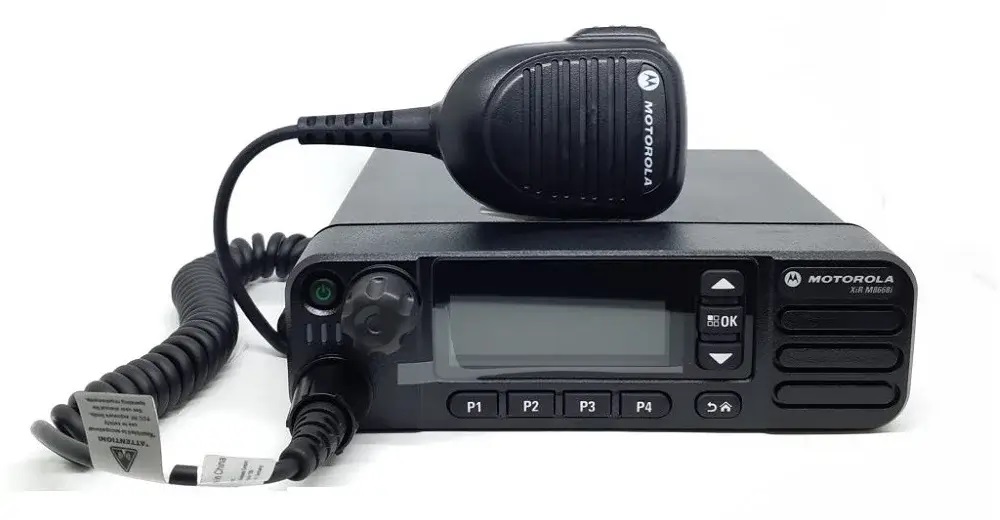
Radio rigs are essential communication tools used for various purposes, such as amateur radio hobbyists, search and rescue (SAR) operations, transportation, military, and business. However, many users, both beginners and experienced, often make mistakes when setting up these devices. These mistakes can disrupt communication, interfere with other users, or even damage the radio.

Common Mistakes in Radio Rig Setup

Choosing or Setting the Wrong Frequency

Why Is This a Problem?

Selecting an inappropriate frequency can cause various problems, such as interference with other networks, communication disruptions, and even legal violations.

Real-Life Example

In a nature-loving community, several members used radio rigs to communicate during a hike. Unbeknownst to them, the frequency they were using overlapped with the communication channels of local emergency services. As a result, the search and rescue team experienced interference when receiving emergency calls from other hikers who were in desperate need of help.

How to Avoid This

Understand the regulations in your country regarding frequency allocation for amateur and professional radio.

Use software or an official frequency chart to determine which channels can be used without interfering with other services.

Coordinate with local radio communities to avoid overlapping frequency usage.

Inappropriate Squelch Settings

Impact of Incorrect Squelch Settings
Squelch filters out noise or weak signals. If the setting is too high, you may miss signals that are actually acceptable. Conversely, if it's too low, you'll hear a lot of static.

How to Avoid

Adjust the squelch manually by testing in various location conditions.

Use the Automatic Squelch Control (ASC) feature, if available, to automatically adjust according to signal conditions.

Incorrect Antenna Selection and Installation

Why Are Antennas So Important?

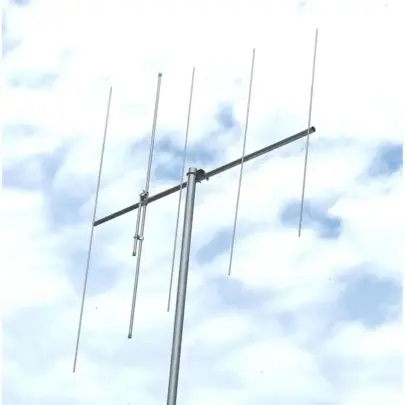
A bad antenna or improper installation can cause a weak signal, making communication ineffective.

Real-World Example

A radio rig operator used an antenna that did not meet the device's specifications. As a result, the transmitted signal was suboptimal and caused difficulties in communicating with the ground. After replacing the antenna with a suitable one, communication became much more stable.

How to Avoid

Use an antenna with an impedance that matches your radio rig (usually 50 ohms).

Position the antenna in a high, unobstructed location to increase signal range.

Check the antenna cable and connector periodically to ensure there is no damage or loose connections.
Incorrect Output Power Settings

Why Should Output Power Be Adjusted?

Too high a power can cause interference with other networks. Too low a power can make communication ineffective.

How to Avoid It

Use low power for short-range communications to conserve battery power and reduce interference.

Use high power only when necessary, such as for long-range communications or in poor signal conditions.

Ignoring SWR (Standing Wave Ratio)

What Is SWR and Why Is It Important?

SWR indicates the balance between the power transmitted and the power reflected back to the transmitter. A high SWR indicates an imbalance that can cause damage to the transmitter.

How to Avoid It

Use an SWR meter to measure the SWR level and ensure power balance.

If the SWR is too high, check the antenna length, connector, and cable.

Adjust the antenna to achieve the proper resonance for the frequency being used.
Conclusion: Radio Rig Setup Is a Must

Using a radio rig effectively requires a good understanding of its setup. Mistakes in frequency selection, squelch settings, antenna usage, output power, and usage mode can significantly impact communication quality.

By understanding and avoiding the mistakes above, you can ensure your radio rig functions optimally, providing clear communication, and avoiding potential interference or damage. If you're new to radio, don't hesitate to join a radio community. Another option is to consult with radio professionals for further guidance.

Always remember that in certain situations, a radio rig can be the only communication tool that can save lives. Make sure you use it correctly!

 Indonesia
 14 Agu 2025